
What NHS Sources Say About Moderate Energy Deficit
Official UK public health guidance, including materials from the NHS and Public Health England, presents a consistent perspective on moderate rates of energy change. This article synthesises the key principles and evidence supporting this guidance.
The Emphasis on Moderation in Official Guidance
UK public health sources, including NHS recommendations, consistently emphasise moderation when discussing changes in energy balance. This emphasis reflects a considered approach grounded in physiological evidence and long-term health outcomes.
Official materials highlight that moderate approaches are more likely to:
Be maintained over extended periods
Support metabolic stability and preserve lean tissue
Integrate into everyday life without excessive disruption
Produce sustainable outcomes rather than temporary change
Physiological Rationale from Research
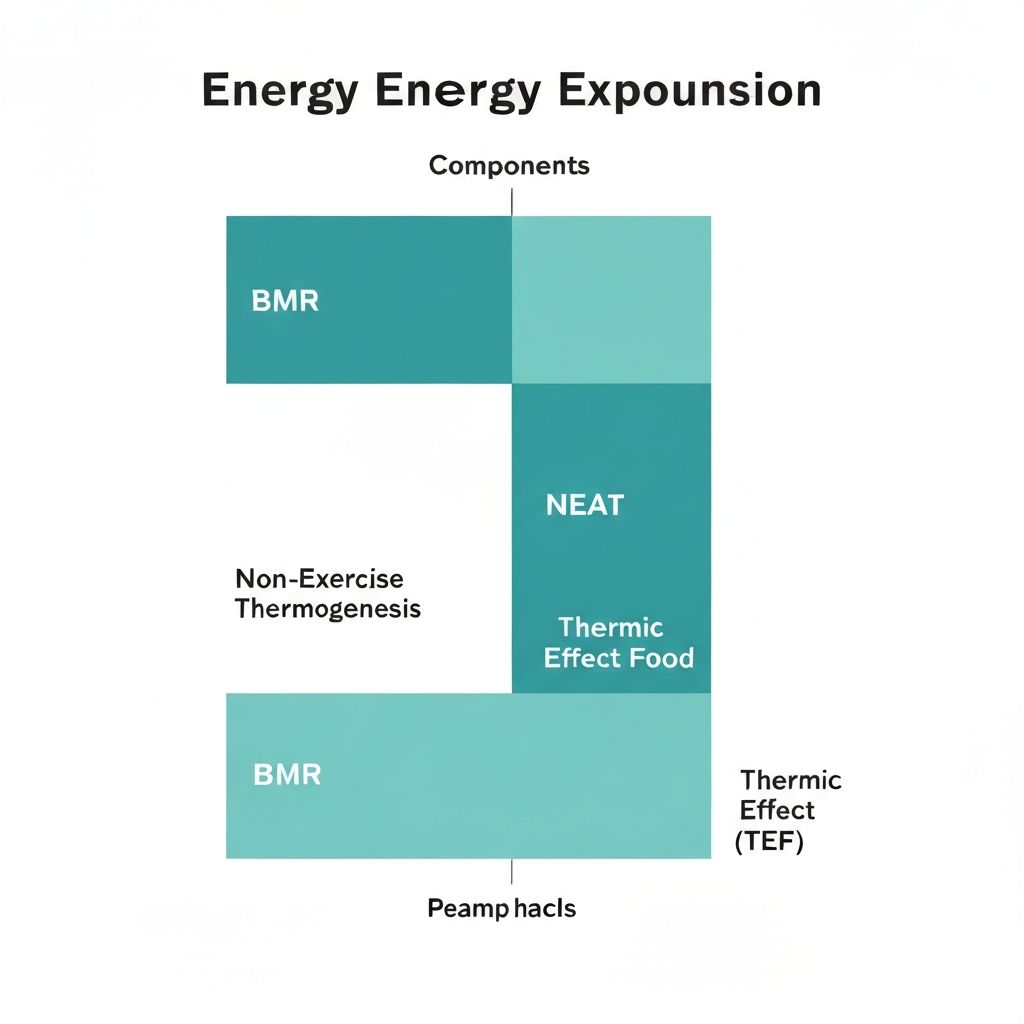
Public health organisations base their recommendations on extensive research into how the body responds to changes in energy balance. The findings consistently support a measured approach:
Key research areas include:
Lean Tissue Preservation: Studies indicate that gradual deficits, particularly combined with adequate protein and resistance activity, better support muscle retention.
Metabolic Adaptation: Research demonstrates that very rapid energy deficits trigger adaptive responses that can undermine sustainability.
Adherence Outcomes: Long-term follow-up studies show improved maintenance of changes when adjustments are introduced gradually.
Integration with Lifestyle Changes
Rather than isolating energy deficit as the sole focus, NHS guidance presents energy balance as emerging from integrated changes in daily patterns—diet, activity, sleep, and stress management. This systems approach acknowledges the complexity of real-world life:
Dietary adjustments are framed as shifts toward sustainable eating patterns that can become permanent parts of daily life.
Physical activity is integrated as a component of overall health and wellbeing, not solely as a means of caloric expenditure.
Lifestyle factors like sleep quality and stress are recognised as influences on both energy regulation and decision-making capacity.
Clinical Evidence and Long-Term Outcomes
UK public health bodies ground their recommendations in clinical evidence of effectiveness. Multiple systematic reviews and meta-analyses inform official guidance:
Randomised Controlled Trial Evidence
Research comparing different approaches to energy deficit shows that moderate strategies produce comparable rates of change to more aggressive methods while demonstrating superior long-term maintenance and reduced adverse effects.
Real-World Adherence Studies
Population-level data indicates that sustainable lifestyle modifications that align with moderate recommendations show higher success rates in community settings compared to extreme approaches.
Cardiovascular and Metabolic Outcomes
Long-term health outcomes, including cardiovascular function, metabolic markers, and overall wellbeing, align better with moderate, sustained approaches than with rapid interventions.
Communication Approach in NHS Materials
NHS guidance avoids prescribing specific numerical targets for rate of change, instead emphasising the importance of consistency, patience, and realistic timeframes. This reflects recognition that:
Individual variation in response to energy deficit is substantial.
Sustainable changes require time to establish as habits.
Flexibility and adaptation to life circumstances support long-term success.
Professional guidance should consider individual health status and goals.
Key Takeaways from Official Sources
Moderation Supports Sustainability
Official guidance emphasises that moderate adjustments are more likely to be maintained as permanent lifestyle changes.
Individual Variation Matters
NHS materials acknowledge that responses to energy deficit vary, highlighting the importance of personalised approaches.
Integration is Essential
Effective approaches combine dietary, activity, and lifestyle adjustments rather than focusing narrowly on any single factor.
This article is for educational purposes only and provides an overview of principles found in UK public health sources. It does not constitute personalised advice or recommendations.
Back to Blog