
Sustainable Lifestyle Patterns in UK Recommendations
UK public health guidance places substantial emphasis on sustainable lifestyle patterns and habit formation rather than short-term interventions. This approach reflects evidence showing that lasting health outcomes emerge from integrated, maintainable changes to daily life.
The Shift from Intervention to Integration
Official UK health sources emphasise the distinction between temporary interventions and sustainable lifestyle integration. Rather than presenting health changes as time-limited programmes or specific plans, guidance frames them as ongoing adjustments to daily patterns.
This perspective aligns with evidence demonstrating that:
Temporary changes typically revert when the intervention ends
Integrated lifestyle patterns can be maintained indefinitely
Gradual habit formation may take several months but becomes self-sustaining
Flexibility and adaptation to individual circumstances supports long-term success
Dietary Pattern Sustainability
NHS guidance on diet emphasises patterns rather than rules or restrictions. The focus is on establishing regular eating behaviours that can be maintained throughout life:
Emphasis on Whole Foods
Guidance promotes choices based on minimally processed foods rather than complete elimination of specific foods.
Regular Eating Patterns
Consistent meal timing and regular food intake support both metabolic stability and decision-making capacity.
Flexible Framework
Guidelines provide general principles that can be adapted to personal preferences, cultural contexts, and individual circumstances.
By framing dietary guidance as patterns rather than restrictions, NHS materials support the development of sustainable eating habits that can be maintained without constant willpower or effort.
Physical Activity Integration
Similarly, physical activity in UK guidance is presented as an integrated component of daily life rather than an isolated intervention. The emphasis is on:
Everyday Movement: Incorporating activity into occupational and household routines
Enjoyable Activities: Selecting movement types that are personally satisfying and sustainable
Variety: Combining different types of activity for overall health benefits
Progressive Integration: Building activity levels gradually rather than dramatically increasing exercise intensity immediately
Sleep Quality and Stress Management
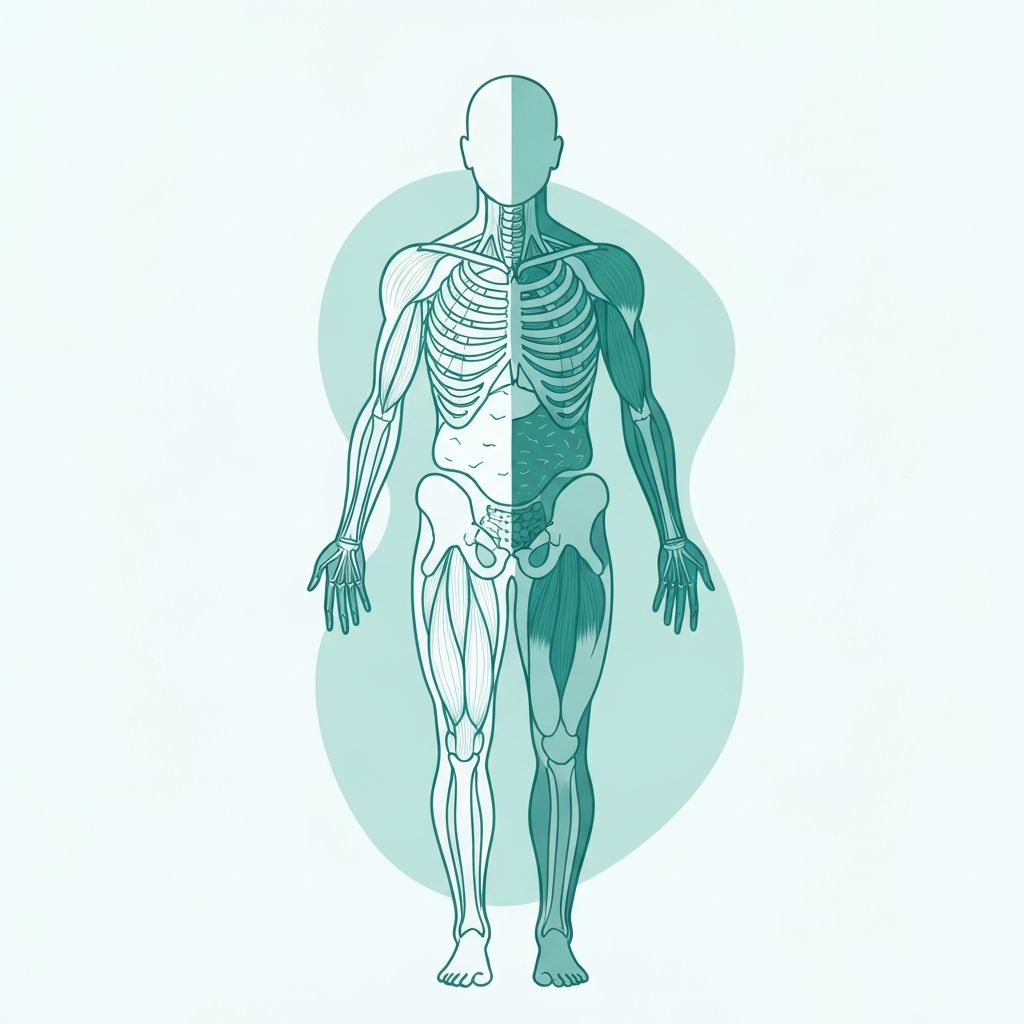
UK public health guidance recognises that sustainable lifestyle changes require attention to broader health factors beyond diet and exercise:
Sleep Quality: Adequate, consistent sleep supports metabolic function, hormone regulation, and decision-making capacity.
Stress Management: Chronic stress influences both eating patterns and metabolic function.
Social Support: Social connections and environmental factors influence adherence to lifestyle adjustments.
This integrated approach acknowledges that sustainable changes require attention to multiple life domains simultaneously.
Building Sustainable Habits
Research on behaviour change, referenced in UK public health materials, identifies key principles for developing sustainable habits:
Consistency Over Perfection
Regular, modest adherence produces better long-term outcomes than perfect adherence followed by abandonment.
Environmental Design
Structuring home and work environments to make desired behaviours easier supports sustained change.
Social Integration
Aligning changes with social contexts and involving others supports long-term maintenance.
Gradual Integration
Slowly incorporating new patterns into existing routines produces more durable change than attempting rapid transformation.
Flexibility and Adaptation
UK guidance emphasises the importance of flexibility—recognising that life circumstances change and sustainable patterns must adapt accordingly. Rather than viewing lapses or changes as failure, the guidance suggests viewing them as normal variations within an overall sustainable pattern.
This perspective supports:
Adaptation to changing work or family circumstances
Seasonal and life-stage adjustments
Recovery from periods of disruption without abandoning long-term patterns
Personalisation of general principles to individual preferences and contexts
Long-Term Perspective
The overarching message in UK public health guidance on sustainable patterns is that lasting health outcomes emerge from a long-term perspective. Rather than focusing on short-term results or rapid change, the emphasis is on viewing lifestyle adjustments as indefinite patterns that become integrated into identity and daily routine.
This article is for educational purposes only and provides an overview of principles in UK public health guidance on sustainable lifestyle patterns. It does not constitute personalised advice.
Back to Blog